
The Hidden Operation Cost in Food Retail Stores
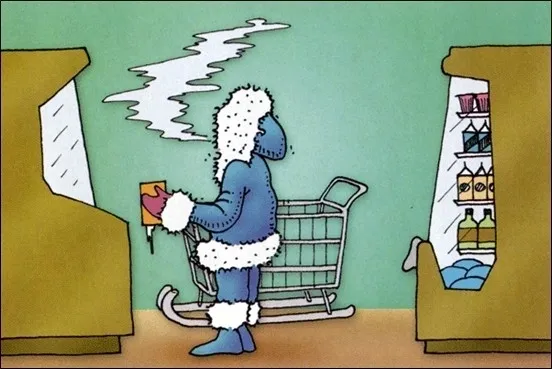
Have you ever wondered why supermarket aisles sometimes feel so cold and uncomfortable? The answer often lies in the way climatization, and refrigeration systems interact or fail to. Poor interaction between these systems creates hidden costs, affects food preservation, and impacts customer comfort. In this article, we explore how integrated HVAC/R solutions and proper humidity control can transform both energy efficiency and the shopping experience.
Challenges of Joint Operation of HVAC/R Systems
Supermarkets operate both HVAC (for comfort) and refrigeration (for food preservation). When these systems do not work in harmony, problems arise:
- Inefficient energy use that inflates operating budgets
- Temperature and humidity imbalances affecting food quality and safety
- Uncomfortable shopping environments for customers
Benefits of Precise Humidity Control
Managing relative humidity offers significant operational and customer-focused advantages:
- Enhances shopper comfort
- Prevents slippery floors
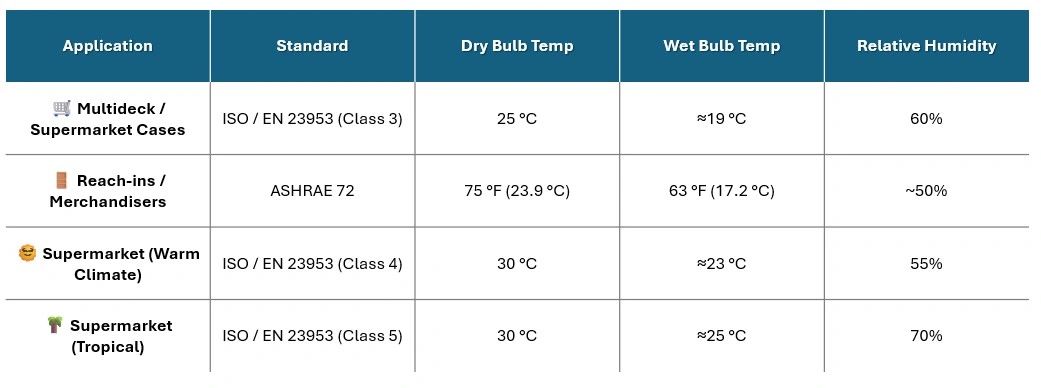
- Improves refrigeration equipment performance (see Table 1)
- Stabilizes air curtains on open display cases
- Reduces defrost cycles and ice buildup
- Extends life of metal parts exposed to condensation
- Lowers energy use from door heaters and anti-fog systems
Optimizing Thermal Load and Comfort
By controlling humidity, supermarkets reduce the thermal load on both air conditioning and refrigeration systems. This allows air conditioning to run at slightly higher dry-bulb temperatures without sacrificing comfort. The result is better energy performance, improved comfort for shoppers, and enhanced in-store product visibility.
Sustainability and CO₂ Emissions Reduction
An often-overlooked advantage of humidity control is their impact on sustainability. By reducing the total HVAC/R load through precise humidity control and system optimization, supermarkets can significantly cut CO₂ emissions associated with energy consumption. This not only lowers operating costs but also contributes to accomplish corporate sustainability goals, helping retailers align with global decarbonization efforts.
Conclusion: Energy Savings and Better Shopping Experiences
Supermarkets that adopt integrated HVAC/R strategies and precise humidity control benefit in multiple ways: lower energy costs, longer equipment life, better food preservation, and happier customers. Investing in smarter HVACR coordination is not just about reducing bills—it’s about creating a more sustainable, comfortable, and competitive supermarket environment.
Category: Business & Strategy