
5 Hidden Challenges in HVAC System Maintenance
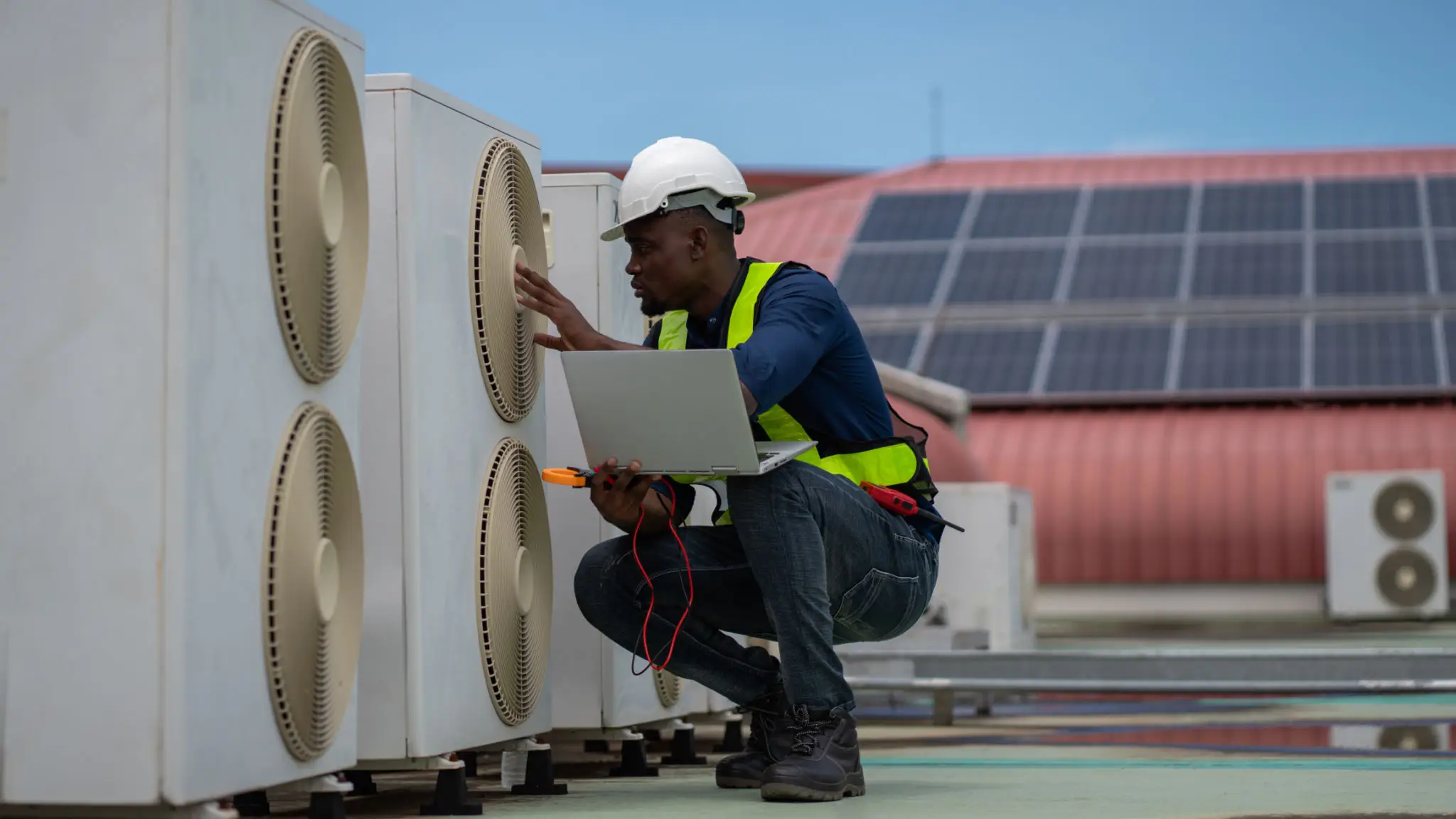
Staying ahead of HVAC system maintenance challenges is a daily test for facility teams. The most costly problems rarely make an obvious entrance—they quietly erode comfort, budgets, and compliance. This blog uncovers five often-overlooked challenges and provides actionable solutions.
The Invisible Threat of Poor Indoor Air Quality
A spotless facility can still harbor hidden air quality problems. Issues like clogged air filters, neglected ductwork, and gradual pollutant buildup compromise occupant comfort and compliance. With the EPA’s increased focus on indoor air quality, U.S. businesses risk fines and expensive remediation for even minor lapses.
Why It Matters
- Productivity losses up to 9% are linked to poor indoor air quality, according to ASHRAE.
- Dirty coils increase energy consumption by 15–20%, reducing HVAC equipment lifespan.
- Mold and volatile organic compounds can trigger health complaints and disrupt operations.
Action Plan
- Schedule quarterly indoor air quality assessments rather than relying on annual checks.
- Use advanced sensors to detect CO₂ and PM2.5 spikes in real time.
- Maintain a dynamic maintenance checklist that integrates filter changes with duct inspections.
- Engage HVAC consulting services for tailored ventilation audits and multilingual reporting for cross-border teams.
Set EPA and ASHRAE standards as your baseline, then adjust using site-specific data to achieve cost-effective HVAC solutions without overspending on equipment.
The Silent Drain of Energy Inefficiency
Energy waste often goes unnoticed until it impacts the budget. Mismatched thermostats, refrigerant leaks, and inefficient system optimization can drive costs up by 20%. With utility prices remaining volatile, unaddressed inefficiencies reduce competitive margins.
Common Culprits
- Aging compressors operating below SEER ratings
- Thermostat issues causing simultaneous heating and cooling
- Variable frequency drives forcing fans to run at full speed unnecessarily
- Poor system optimization after tenant fit-outs
Practical Strategies
- Conduct annual energy audits and review trend logs.
- Pair preventative HVAC maintenance with predictive analytics—predictive maintenance can reduce unexpected system breakdowns by up to 75% and save 10–20% on energy costs.
- Replace R-410A units ahead of the 2025 phase-out to avoid price spikes and secure credits.
- Utilize expert application support for right-sizing equipment and high-efficiency retrofits.
Long-Term ROI
Energy-efficient upgrades often pay for themselves within three years, especially with utility incentives. These improvements also shrink the facility’s carbon footprint, an increasingly important factor as shareholder ESG expectations rise.
Unscheduled Breakdowns and the Cost of Reactive Maintenance
When a chiller fails during peak summer, operations can halt entirely. The costs of HVAC repair issues include overtime labor, product spoilage, and potential harm to brand reputation. Despite these risks, many organizations still default to a reactive maintenance approach.
Why Reactive Approaches Persist
- Limited budgets encourage repair deferral.
- Lack of predictive tools hinders failure forecasting.
- Training gaps allow small anomalies to go unnoticed until major failures occur.
Advantages of Proactive Maintenance
- Preventative HVAC maintenance extends equipment life by 5–10 years on average.
- Predictive maintenance platforms use IoT to alert staff before parts degrade.
- Custom training equips technicians with on-site diagnostic skills, reducing industrial HVAC upkeep costs.
Quick-Start Roadmap
- Build an asset hierarchy to prioritize high-risk units.
- Implement vibration and oil analysis for mission-critical compressors.
- Update maintenance checklists monthly to incorporate lessons learned.
- Track mean time between failures to prove ROI internally.
The Complexity of Multi-Site and Multilingual Operations
Expanding across states or into Latin America increases commercial HVAC maintenance problems. Varying regulatory codes, supplier networks, and languages can complicate standard operating procedures.
Hidden Hurdles
- Inconsistent standard operating procedures cause uneven compliance.
- Language barriers delay troubleshooting and increase downtime.
- Regional refrigerant regulations, such as A2L adoption timelines, differ by location.
Tips to Harmonize Strategies
- Centralize documentation and translate critical steps.
- Adopt global HVAC standards and add regional requirements as needed.
- Schedule joint virtual trainings to share best practices.
- Use international project support to streamline cross-border shipments of replacement parts.
The Hidden Opportunity in Data-Driven Optimization
Modern HVAC controls produce vast amounts of data, but many dashboards remain underutilized. Failing to leverage analytics prevents organizations from achieving true HVAC system optimization.
Barriers to Progress
- Fragmented building automation systems that lack integration
- Limited analytics expertise among facility managers
- Skepticism about the ROI of new software investments
Building a Data Culture
- Appoint a controls champion to interpret trends
- Integrate meter data with work order histories to identify savings
- Engage HVAC consulting services to set up custom alerts that identify commercial HVAC maintenance problems early
Quick Win Checklist
- Enable automated CSV exports from your BAS
- Compare chilled-water delta-T year over year
- Set alarms for refrigerant leaks and thermostat issues that exceed set thresholds
- Review monthly reports with finance to connect savings to action.
Unlocking Long-Term Value Through Proactive HVAC Maintenance
Ignoring hidden challenges, such as poor indoor air quality, energy inefficiency, reactive repairs, multi-site complexity, and underused data, can erode profitability. Adopting proactive, expert-led strategies protects occupant health, reduces utility bills, and extends HVAC equipment lifespan. I, at Cold Feeling Consulting, provide multilingual expertise, executive-level engineering, and practical training, turning maintenance into a competitive advantage.
Addressing hidden HVAC maintenance challenges is essential for long-term operational efficiency and compliance. By leveraging expert consulting, data-driven practices, and proactive maintenance, organizations can realize significant cost savings and resilience. Take the next step and get in touch for a consultation.
References
Category: HVACR Maintenance & Service